Why We Exist

The Information Gap
Urban transformation happens constantly across South Africa's metropolitan areas. Infrastructure gets planned, transport routes change, neighbourhoods evolve. But the data that tracks these changes—municipal planning documents, rezoning applications, development permits, demographic shifts—is scattered across dozens of government portals, buried in technical reports, or locked behind institutional access.
Real estate professionals, property developers, and institutional investors have teams dedicated to gathering and analysing this information. They understand which neighbourhoods are experiencing early-stage transformation because they have the resources to track it systematically.
Everyone else is left guessing.
Our Mission
We believe that access to quality urban data should not be a privilege reserved for industry insiders. The information exists. It's public. It just needs to be organized, analysed, and presented in formats that anyone can understand.
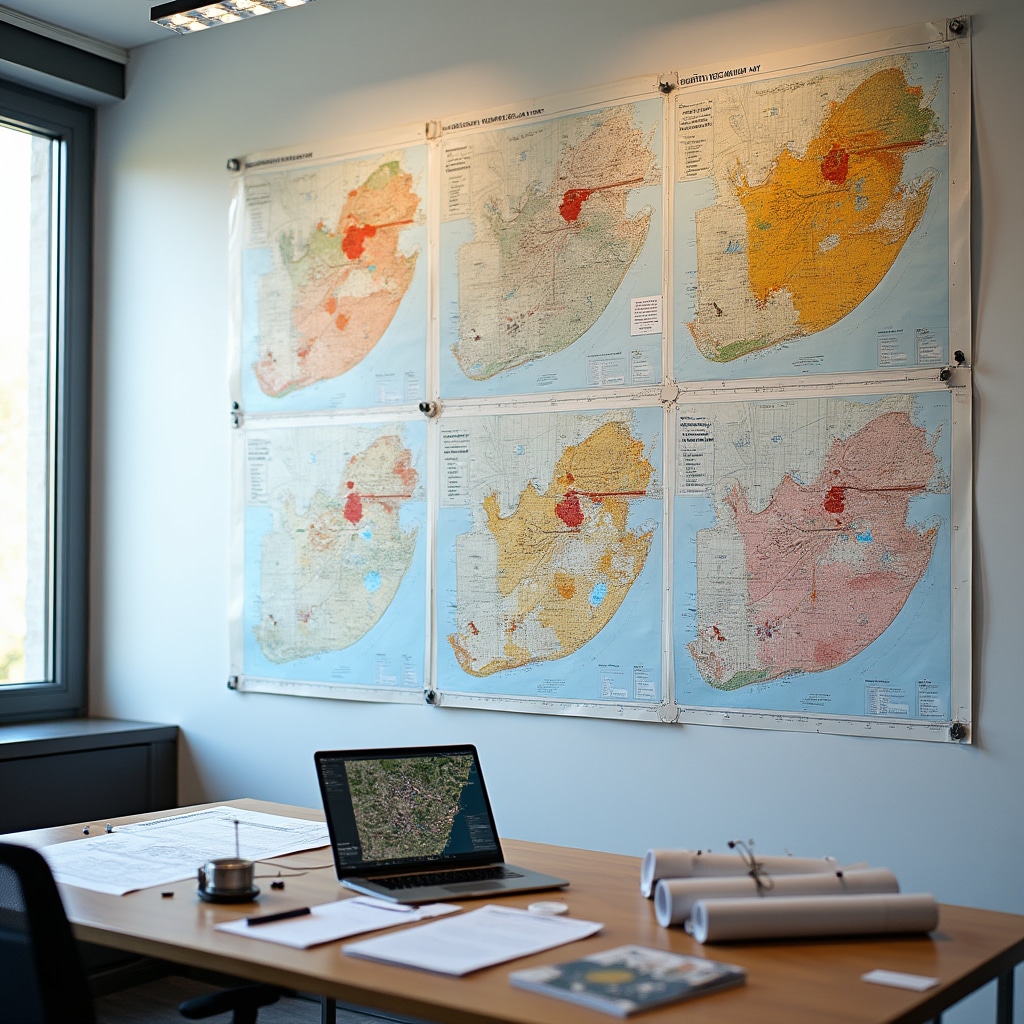
That's what we do. We are urban researchers who track neighbourhood transformation across Johannesburg, Cape Town, Durban, Pretoria, and Nelson Mandela Bay. We collect publicly available data from municipal databases, government planning portals, and official records. We apply consistent analytical frameworks. We document our methodology. We cite our sources.

What Makes Us Different
Independence
We do not buy, sell, or broker property. We do not receive commissions from transactions. We are not affiliated with real estate agencies, property developers, or financial institutions. Our research is not designed to drive sales or generate leads.
Transparency
Every report we publish includes full methodology disclosure and complete data source citations. We explain how we collected information, what analytical frameworks we applied, and what limitations exist in our research. If you want to verify our findings, you can follow our sources directly.
No Investment Advice
We do not make investment recommendations. We do not predict future property values. We do not guarantee outcomes. We provide research that documents neighbourhood transformation patterns. What you do with that information is entirely your decision.
The Problem We're Solving
Understanding urban transformation requires connecting information from multiple sources—infrastructure investment plans from one municipal department, rezoning applications from another, demographic data from Statistics South Africa, commercial development permits from yet another database. Each source uses different formats, updates on different schedules, and requires different access methods.
We spend our time navigating these systems so you don't have to. We track changes quarterly, document patterns, and present findings in clear, accessible formats. We're not creating new information—we're organizing information that already exists but is difficult to access systematically.
Who Benefits
Our research serves anyone interested in understanding South African urban transformation patterns. Homeowners considering relocation. Business owners evaluating new locations. Researchers studying urban development. Journalists covering neighbourhood change. Community organizations tracking local transformation.
We don't assume you're looking to invest in property. We assume you're looking to understand how cities evolve and which neighbourhoods are experiencing early-stage change.
Our Commitment
We publish quarterly reports covering all five metropolitan areas we track. Each report includes updated data, new findings, and transparent methodology. We maintain a data dashboard with current information. We respond to questions about our research process.
We are committed to maintaining our independence, documenting our methods, and making urban intelligence accessible. That's why we exist.